
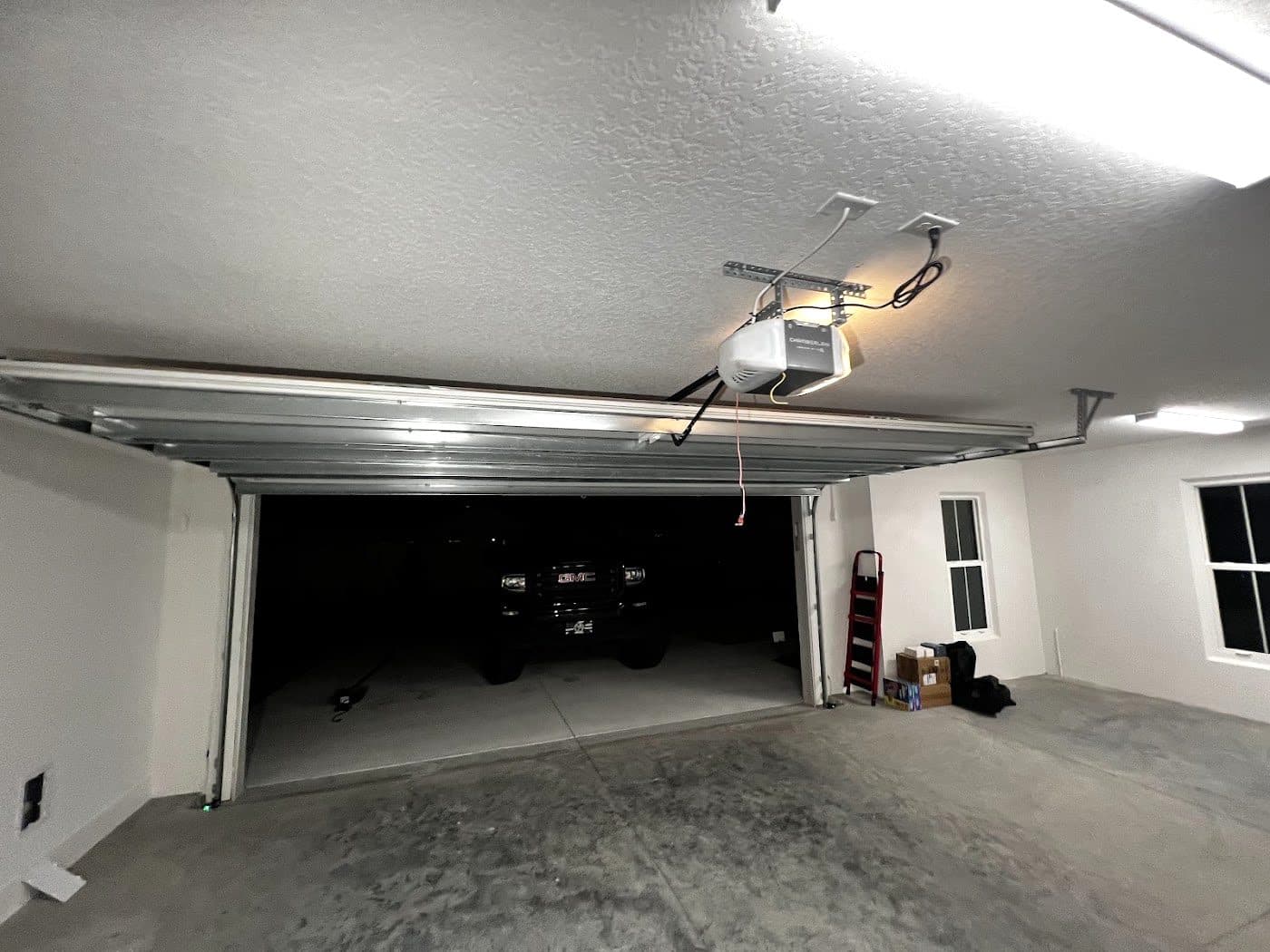
Keeping Your Garage Cool in Florida Heat: Practical Solutions
The Florida Garage Problem
It's a typical Florida summer day—95°F outside with humidity you can swim through. Your garage? It's easily 120°F or hotter. That extreme heat:
- Damages stored items and paint on your car
- Makes the space unusable for projects
- Transfers heat into your home (raising AC bills)
- Stresses your garage door components
Here's how to fight back against the heat.
Start With Your Garage Door
Your garage door is the largest opening in your garage. It's also the biggest opportunity for heat reduction.
Insulation Is Key
An uninsulated garage door is essentially a giant heat conductor. Upgrading to an insulated door:
- Reduces garage temperature by 10-20°F
- Pays for itself in energy savings over time
- Makes the space more usable
- Protects your door components from heat stress
Insulation ratings to consider:
- R-6 to R-9 (polystyrene): Good basic protection
- R-12 to R-18 (polyurethane): Best for Florida heat
If a new door isn't in the budget, insulation kits ($100-200) can be added to existing doors. They're not as effective as factory-insulated doors but still make a noticeable difference.
Weatherstripping
Gaps around your garage door let hot air pour in. Check:
- Bottom seal: Should contact the floor evenly
- Side seals: Look for gaps or deterioration
- Top seal: Often overlooked but important
Replace any worn or damaged weatherstripping. This is an inexpensive fix with immediate results.
Door Color
Dark-colored doors absorb more heat than light-colored doors. If you're choosing a new door or repainting, lighter colors help.
Ventilation Solutions
Hot air rises and gets trapped in your garage. Ventilation lets it escape.
Passive Ventilation
Roof vents or turbines: Allow hot air to escape naturally
- Relatively inexpensive to install
- No operating costs
- Work 24/7
Gable vents: If your garage has an attic space
- Allow cross-ventilation
- Help remove trapped heat
Active Ventilation
Exhaust fans: Actively pull hot air out
- Thermostat-controlled options available
- More effective than passive venting
- Modest electricity cost
Wall-mounted fans: Circulate air within the space
- Don't actually cool the air, but feel cooler
- Good for when you're working in the garage
Insulate Beyond the Door
Your garage door isn't the only source of heat gain.
Walls
If your garage shares a wall with your home, insulating that wall:
- Keeps heat from transferring into living spaces
- Reduces AC costs
- Makes the garage more comfortable
Ceiling
For garages with living space above:
- Insulation prevents heat transfer upward
- R-30 or higher recommended for Florida
Windows
Garage windows let in heat and sunlight:
- Consider reflective film or tinting
- Add shades or covers
- Upgrade to insulated glass if budget allows
Practical Cooling Options
Portable AC Units
For serious cooling:
- Standalone units that vent through a window or wall
- Effective but uses significant electricity
- Best for occasional use when you need the space comfortable
Evaporative Coolers
Also called swamp coolers:
- Work by evaporating water to cool air
- Less effective in Florida's humidity
- Lower operating cost than AC
- Can provide some relief
Ceiling Fans
Won't lower the temperature but:
- Create airflow that feels cooler
- Cost very little to operate
- Help when you're working in the space
Protect What's Stored
Even with cooling efforts, Florida garages get hot. Protect your belongings:
Heat-Sensitive Items
Don't store in a hot garage:
- Paint and stains (can separate or spoil)
- Electronics (heat damages components)
- Photographs and important documents
- Candles and anything wax-based
- Wine and beverages
- Certain plastics (can warp or off-gas)
Your Vehicle
If you park in the garage:
- Use a windshield sunshade
- Consider a car cover for extended parking
- Check fluid levels more frequently in summer
- A cooler garage means a cooler car
The Energy Connection
Cooling your garage isn't just about comfort—it's about energy efficiency.
Attached Garages
Heat from your garage transfers into your home through:
- The shared wall
- The door into the house
- The ceiling (if there's living space above)
Your AC works harder to compensate. Cooling your garage reduces this load.
The Compounding Effect
Every degree you reduce your garage temperature:
- Reduces heat transfer into your home
- Extends the life of stored items
- Makes components last longer
- Makes the space more usable
Need Help?
At Just-In-Time Garage Door, we can help you choose an insulated door that's right for your home and budget. We also install weatherstripping and can assess your garage's heat issues.
Call (352) 801-6590 for a free consultation.
Ready for Expert Help?
The Just-In-Time Garage Door team is here to help with any garage door repair, maintenance, or installation needs in Mount Dora and Central Florida.